The Power of First Impressions in a Cafe
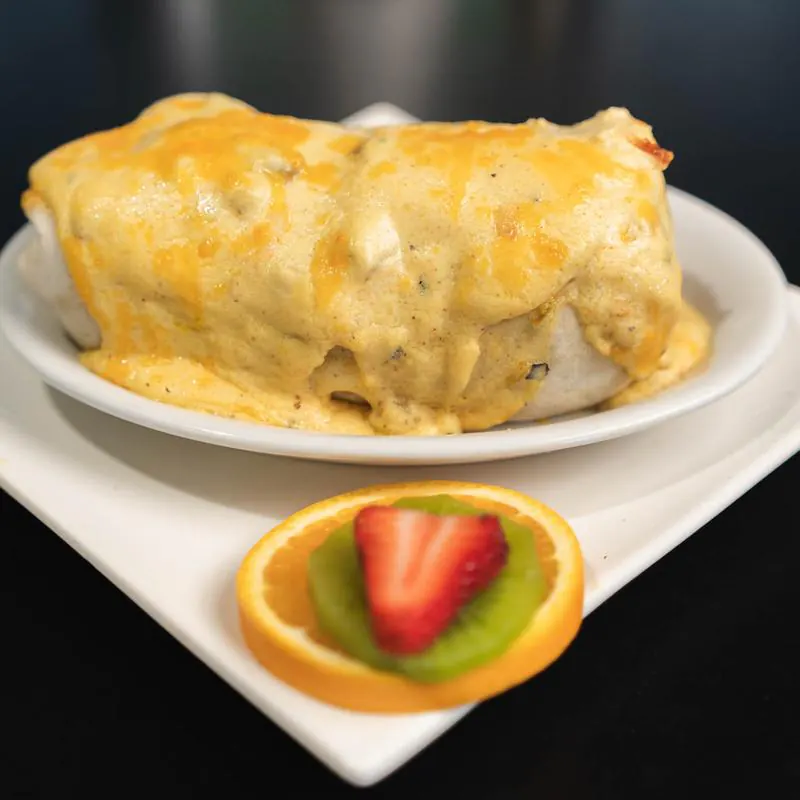
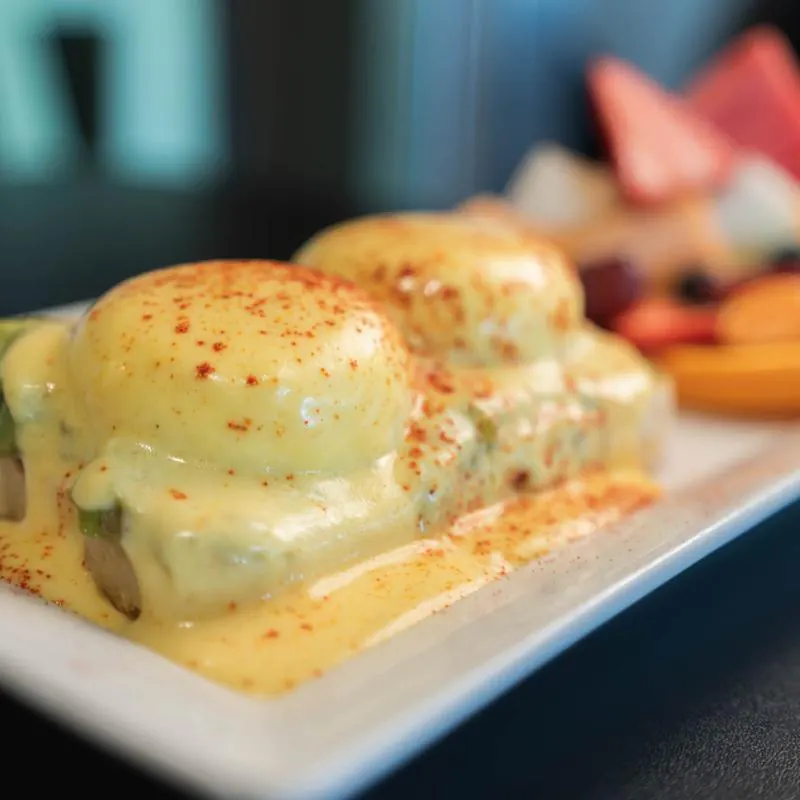
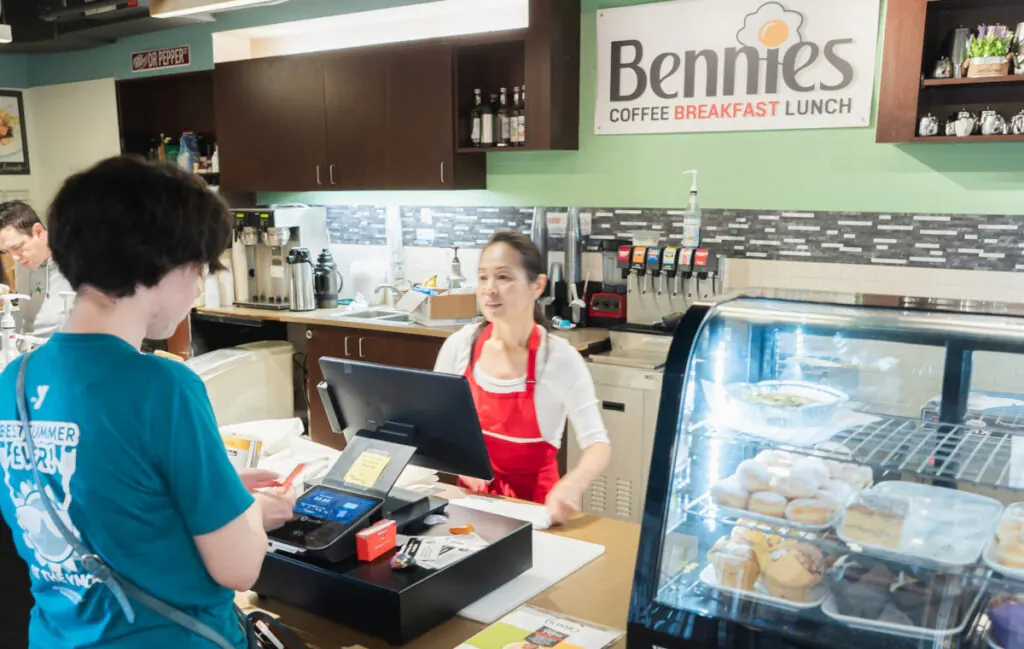
A cafe has very little time to make its case.
Long before a guest tastes the coffee or studies the food menu, they are already deciding what kind of place they have walked into. They notice the door, the lighting, the pace behind the counter, the music, the cleanliness of the floor near the entrance, the way the pastry case is arranged, and whether anyone looked up when they came in. All of that happens in seconds. It feels intuitive to the customer, almost invisible, yet it has a direct effect on spending, loyalty, reviews, and whether they return at all.
Owners often put most of their energy into the product, and rightly so. Coffee quality matters. So do ingredients, consistency, and pricing. But many strong cafes underperform because the first encounter does not match the quality behind the bar. People rarely say, “your entry sequence felt cold” or “your room had visual friction.” They simply leave with a vague sense that the place was not for them. That is the danger of first impressions in hospitality. They do not announce themselves. They quietly shape behavior.
In a cafe setting, a first impression is not one thing. It is a stack of signals arriving all at once. Some are sensory, some operational, and some emotional. The strongest cafes understand that guests read the whole environment before they trust the cup.
The first impression starts before the guest enters
Many operators think first impressions begin at the register. In practice, they begin outside, often from the sidewalk or parking area. A passerby sees signage, windows, patio condition, posted hours, and whether the place looks alive. If they are driving, they notice ease of access and whether the entrance is obvious. If they are walking, they notice if the windows invite curiosity or block it.
A cafe with excellent coffee can still lose traffic if the exterior sends mixed signals. Handwritten signs taped unevenly to the door, faded branding, cluttered windows, or an overgrown planter suggest neglect, even if the neglect is minor. Customers do not perform a forensic analysis. They infer standards from what they can see. If the outside looks careless, many assume the inside will too.
This is especially important for independent cafes that rely on Cafe local trust. A person deciding between two nearby spots may not compare roast profiles or sourcing practices. They compare comfort. One place looks bright, calm, and intentional. The other looks uncertain. The first one gets the visit.
There is also a practical dimension. Clear signage reduces friction. If your hours are easy to read, if the entrance feels welcoming, if outdoor seating looks clean and in use, you lower the psychological cost of trying the place. For a first-time guest, small uncertainty can be enough to keep them moving.
Cleanliness speaks before staff do
Few things shape a first impression faster than cleanliness. This does not mean sterile or characterless. Some of the most memorable cafes have old floors, worn wood, and a lived-in charm. Cleanliness is about care, not shininess.
Guests read care through details. Crumbs scattered across the entry mat at 8:00 a.m. Send a different signal than a little wear on a vintage table. A smudged glass door, sticky condiment station, dusty shelf near eye level, or overflowing bus tub can undermine a well-designed space. People notice these things quickly because cafes are intimate environments. Customers linger. They set phones and laptops down. They touch menus, chairs, ceramic cups, and restroom handles. The sense of hygiene is not abstract. It affects how comfortable they feel staying.
What is interesting is how unevenly people remember cleanliness. They may not consciously praise a spotless sugar station, but they will remember a neglected restroom. Negative first impressions have a longer shelf life than positive neutral ones. In hospitality, one careless detail can outweigh several competent ones.
I have seen this play out in busy stores during morning rush. A line out the door can create good energy, but if the handoff counter is chaotic, lids are scattered, and spills sit too long, the buzz turns into stress. Customers start to wonder whether the team is in control. That feeling matters. A cafe can be lively without feeling disorderly, but it takes active management to maintain that balance.
The emotional impact of being noticed
The human greeting still matters more than many design choices.
People do not need an elaborate welcome. In fact, forced cheerfulness can backfire. What they do need is acknowledgment. A glance up, a quick “we’ll be right with you,” or a warm nod tells the guest they have entered a functioning social space, not a room where they must fend for themselves. This is particularly important in cafes because the service model often leaves first-time customers slightly uncertain. Do they order at the counter? Take a seat first? Clear their own dishes? Ask for water? The more unfamiliar the format, the more valuable simple human orientation becomes.
A strong first impression often comes from a small sequence done well. The door opens. Someone behind the counter makes eye contact. The customer sees where the line forms. The menu is legible from a reasonable distance. The pastry case is stocked. The pace looks busy but not panicked. That sequence gives people confidence.
When acknowledgment is absent, customers feel it immediately. Even in a packed cafe, being ignored is different from being delayed. Most guests can forgive a wait if the staff seem aware and engaged. They become irritated when they feel invisible. The distinction is subtle from the operator’s side, but obvious from the customer’s.
There is an important training point here. Staff should not be taught to deliver identical greetings like actors reading cue cards. They should be taught to notice people. That produces better service and a more natural atmosphere. Guests can tell when hospitality is scripted beyond usefulness.
Design sets expectations before the first sip
Interior design in a cafe is not decoration alone. It is expectation management.
The room tells customers what kind of visit to have. Bright lights, compact seating, visible Bennies Cafe Cafe grab-and-go items, and a fast-moving queue suggest efficiency and turnover. Softer lighting, varied seating, acoustic control, and thoughtful spacing suggest lingering, meetings, and a slower rhythm. Neither approach is inherently better. The problem comes when the design and the business model contradict each other.
A cafe that wants quick service but creates bottlenecks at the entrance will frustrate guests. A cafe that promotes itself as a neighborhood gathering place but uses uncomfortable seating and harsh acoustics will push people out. First impressions become strongest when the environment and the promise align.
Color, sound, and smell all contribute. Fresh coffee aroma is one of the most powerful assets a cafe has, but it needs support from the rest of the room. If the scent is competing with bleach, burnt food, or stale air, the effect changes. Music matters too. Volume alone can decide whether someone orders a second drink and stays for an hour or takes their cup to go. High ceilings and hard surfaces may look attractive in photos but create tiring noise levels once the room fills.
Even menu design is part of the visual first impression. Overcomplicated boards with too many fonts or too much text increase hesitation. So do unclear prices and confusing drink names. A guest should be able to orient themselves quickly, even if they are new to specialty coffee. Clarity is welcoming. Confusion is exclusive.
Speed feels different from hurry
Many cafe owners focus on service speed because they know customers value time. That instinct is correct, especially in commuter periods. Yet customers are often responding less to actual seconds and more to perceived flow.
A smooth line feels shorter than a chaotic one. If guests can see progress, if orders are being called clearly, if staff move with purpose, if there is space to wait without crowding the register, the experience feels competent. A two-minute wait in a calm, organized environment is often better received than a one-minute wait surrounded by stress.
First impressions are heavily shaped by this sense of flow. A guest entering a cafe reads movement instantly. Is the queue obvious? Are mobile orders clogging the handoff area? Is one cashier managing both dine-in questions and third-party delivery pickups? Are baristas communicating or working in parallel silences that look tense? Customers may not have the vocabulary for these operational details, but they absolutely perceive the effect.
One of the most useful habits in a well-run cafe is stepping into the customer’s path during a live shift. Stand at the entrance. Watch what a new person sees. Within thirty seconds, most friction points become obvious. The issue might not be labor cost or menu complexity. It might be that the pastry case blocks sightlines, or that people waiting for drinks physically obstruct people trying to order.
The product still has to deliver
A polished first impression can win a trial visit. Only the product can justify a repeat one.
That may seem obvious, but it matters because some operators overcorrect. They invest in branding, furniture, and social media aesthetics while tolerating inconsistent drinks or mediocre food. Customers may forgive one mismatch between appearance and quality. They rarely forgive a pattern. If a cafe looks premium but serves flat espresso, dry pastries, or poorly textured milk, the disappointment is sharper than if expectations had been modest.
The reverse is also true. A humble, less polished cafe can build fierce loyalty if the coffee is excellent and the welcome is genuine. Yet even then, there is usually untapped revenue in improving the first impression. Better signage, cleaner entry points, and stronger service choreography do not replace substance. They make it easier for guests to discover it.
The smartest operators treat first impressions and product quality as a pair. One earns the first order. The other earns the habit.
Regulars and first-timers notice different things
Not every guest reads the room the same way. Regulars overlook minor flaws because they already trust the place. They know the staff, have favorite orders, and understand the rhythm. First-timers do not have that buffer. They are judging everything cold.
This gap causes blind spots. Owners often see their cafe through the eyes of regulars because regulars talk more, return often, and provide emotionally rewarding feedback. Meanwhile, people who try the place once and never return usually disappear without comment. Their reasons are easy to miss.
A first-time customer tends to notice several practical questions at once. Where do I stand? What should I order if I am unfamiliar? Is this place comfortable enough to stay? Am I dressed appropriately for the room? Are the prices clear? If I need to ask a question, will I feel like a burden? A regular no longer experiences that uncertainty.
For this reason, secret shopping, peer visits, or simply watching new guests can be valuable. Not as corporate theater, but as a reality check. Fresh eyes reveal what familiarity hides.
Small details that disproportionately affect perception
Certain details carry more weight than their cost would suggest. They are often operational basics, not expensive upgrades.
- A clear, uncluttered entrance with visible hours
- A prompt acknowledgment when guests walk in
- A menu that can be read from where customers naturally stand
- A clean restroom stocked consistently through the day
- A handoff area that avoids crowding and guesswork
None of these requires a large renovation. Together, they create an impression of professionalism and ease. When one is missing, customers feel drag. When several are missing, the cafe feels harder to use than it should.
The reverse is also true. I have seen modest neighborhood cafes outperform more stylish competitors because they get these essentials right every day. Their lighting is simple, their furniture is practical, and their branding is not especially clever. But the place feels cared for, the line makes sense, the staff are attentive, and the coffee arrives as expected. That reliability becomes its own form of hospitality.
First impressions influence spending, not just satisfaction
Operators sometimes think of first impressions as a soft branding issue. In practice, they affect revenue directly.
Customers who feel comfortable early are more likely to add a pastry, choose a larger drink, ask about retail beans, or stay for a second round. Customers who feel uncertain default to the minimum. They order cautiously, often to go, and leave quickly. The emotional tone set in the first minute changes what people buy.
This effect becomes obvious in all-day cafes. During slow afternoon periods, one inviting staff interaction can turn a single espresso order into an hour-long visit with food and another beverage. During peak morning traffic, efficient first impressions increase throughput without making the experience feel transactional. In both cases, trust drives spend.
There is also the long tail of reputation. A cafe that consistently makes people feel welcome earns better word-of-mouth. Not because customers discuss queue architecture or sightlines, but because they say things like, “that place is great,” “it feels good in there,” or “the staff are really on top of it.” Those casual endorsements are often rooted in dozens of operational choices the customer never consciously identified.
When style overwhelms hospitality
Some cafes mistake intensity for identity. The music is loud, the terminology is insider-heavy, the service style is cool to the point of distance, and the room seems designed more for photography than use. This can create initial intrigue, especially in trend-driven markets. But it narrows the customer base quickly.
A cafe does not need to appeal to everyone. Distinct character is valuable. The trade-off appears when atmosphere becomes exclusionary. If people feel they must already understand the culture to order correctly, many will opt out. That is a costly loss, particularly for neighborhood businesses that need both enthusiasts and ordinary daily customers.
Hospitality is not the enemy of personality. The best cafes prove the opposite. They can be highly specific in taste, deeply knowledgeable about coffee, and visually confident, while still making a first-time guest feel competent and welcome. That combination is harder to execute than a stylish room alone, which is why it stands out.
Training for first impressions without making service robotic
Creating a strong first impression is partly a design problem and partly a management problem. Training matters, but rigid scripts rarely produce the best result. Staff need a framework, not a performance.
A useful approach is to train around moments rather than lines. What should happen when someone enters? What if the line is long? What if a guest looks lost near the handoff area? What if a customer is studying the menu and blocking the entrance? These are situational cues. Teams that learn to respond to them naturally create smoother first impressions.
The most effective service standards are concrete enough to measure and flexible enough to sound human.
- Acknowledge new guests within a few seconds when possible
- Keep the entry and first visual field free of avoidable clutter
- Make one staff member responsible for line awareness during rushes
- Restock and reset high-visibility areas before they look depleted
- Treat questions from first-time guests as sales opportunities, not interruptions
What matters is consistency. One warm barista cannot compensate for a room that repeatedly feels neglected. Likewise, a beautiful interior cannot save a cold service culture. Customers experience the cafe as a whole.
Why this matters more than ever for independent cafes
Independent cafes operate in a demanding environment. Rent is high, labor is expensive, ingredient costs move constantly, and customers have more choices than ever. Under those conditions, it is tempting to focus only on hard metrics like ticket average, labor percentage, and cost of goods. Those metrics matter. But first impressions shape all of them upstream.
If a cafe can convert more passersby, retain more first-time guests, and increase comfort during the first minute of the visit, the financial impact compounds. Better first impressions improve conversion, repeat traffic, average spend, and review quality. They also make daily operations easier because customers understand the flow and staff spend less energy repairing confusion.
There is another reason this matters. Coffee has become more sophisticated, but sophistication alone does not build a neighborhood business. People return to places where they feel at ease. They remember how a room made them feel on a rushed morning, during a first date, between meetings, or while waiting out the rain with a flat white and a laptop. Those memories begin almost immediately.
A cafe does not have to be luxurious, large, or fashionable to leave a strong first impression. It has to feel intentional. The exterior should invite. The interior should orient. The staff should notice. The room should reassure. The product should validate the promise.
That is the power of first impressions in a cafe. They do not merely decorate the experience. They frame it, accelerate trust, and set the terms for everything that follows.
Bennies Cafe
17230 Jackson Creek Pkwy Ste 100, Monument, CO 80132
+1 719-445-0660
FAQ About Cafe
What is considered a café?
A café is generally an informal place to enjoy refreshments and a meal. Bennies Cafe in Monument serves breakfast and lunch in a counter-service setting, with options including eggs Benedict, sandwiches and crepes. Guests can eat in or arrange pickup.
What is the difference between a coffee shop and a café?
The terms often overlap. A coffee shop usually emphasizes coffee and other drinks, while a café may offer a broader food menu. Check the individual establishment's menu rather than relying on its name. Bennies Cafe offers coffee drinks alongside breakfast and lunch dishes.
What is the difference between café and coffee?
In everyday English, a café is a place where people buy food and drinks, while coffee is the beverage. The word café comes from the French word for coffee. Bennies Cafe serves options such as brewed coffee, espresso and lattes as part of its drinks menu.