Savoring the Small Moments at a Cafe in Monument, CO
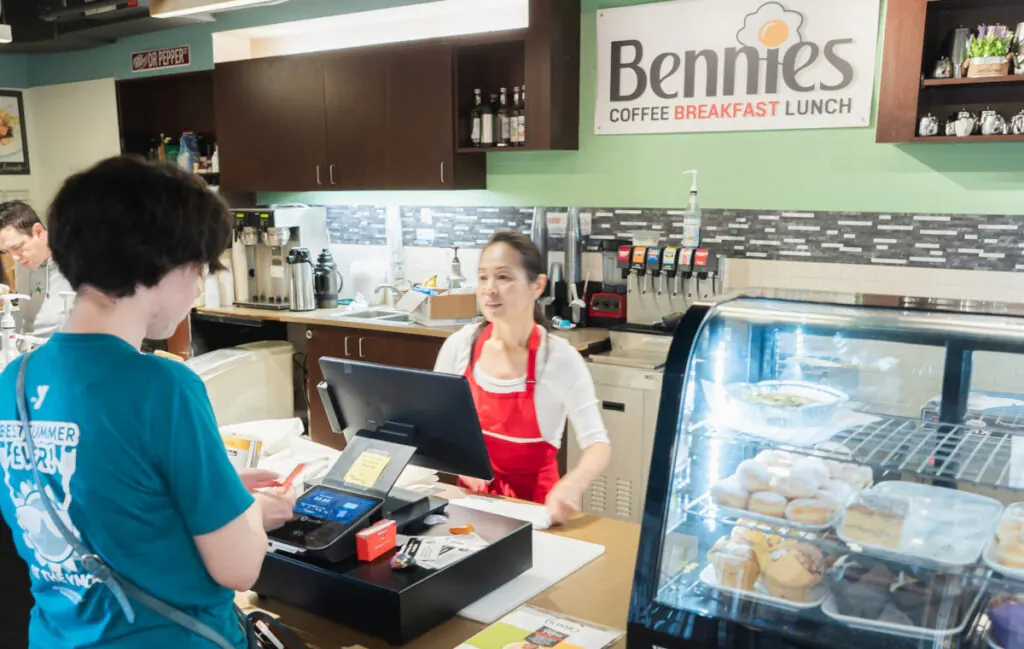
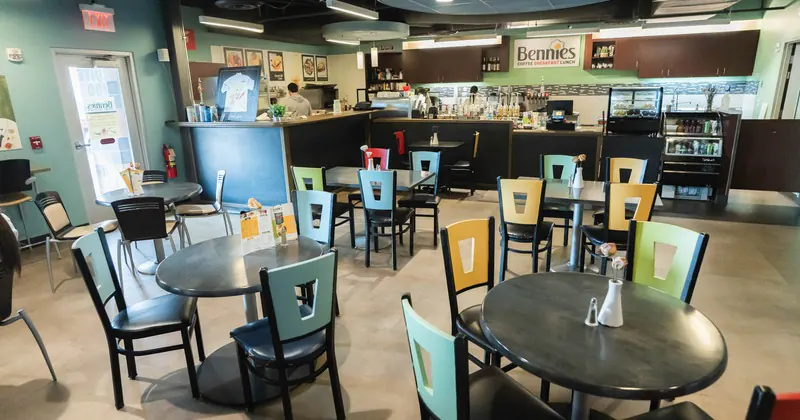
There is a particular kind of quiet pleasure that only a good cafe can offer. Not the loud, hurried stop where coffee is fuel and the room is merely a transaction, but the kind of place where a morning can soften around the edges. A chair feels comfortable enough to stay in. The light falls across a table in a way that makes you notice your own pace. Someone behind the counter remembers your usual order, or asks a thoughtful question about a pastry you are considering. In a town like Monument, Colorado, those details matter more than people sometimes realize.
Monument sits in a distinct rhythm. It is close enough to growing Front Range energy to feel movement, yet grounded enough to preserve a slower, more personal way of life. People come through on their way to work in Colorado Springs, after a hike near Palmer Lake, before errands, after school drop-off, or simply because a midmorning cup tastes better when it is served somewhere that feels local. A cafe in Monument, CO often becomes more than a place to buy coffee. It turns into a part of the day’s structure, a familiar pause point where conversation, habit, and atmosphere meet.
That is what makes small moments in a cafe worth paying attention to. They are easy to overlook because they are not dramatic. No one frames them as milestones. Yet they shape how a town feels to the people who live in it. They shape whether strangers become regulars, whether regulars become neighbors, and whether a business becomes woven into daily life rather than just visited.
The pleasure of a place that knows its role
A good cafe does not need to be grand. In fact, the best ones rarely are. They tend to understand what they are for. They provide warmth in winter, shade and cold drinks in summer, and a stable sense of welcome all year. In Monument, where the weather can shift quickly and the altitude has a way of making both thirst and fatigue arrive sooner than expected, that kind of steadiness carries real value.
People who spend time in cafes notice practical things. Is the coffee hot enough to last through a chapter or two? Is the iced drink still balanced once the ice begins to melt? Do the chairs invite a short visit, or can someone settle in to write, read, or catch up with a friend? Is the music loud enough to energize the room without pushing people out of conversation? These are not glamorous questions, but they are the difference between a place people tolerate and a place people return to.
A strong Cafe Monument, CO experience often comes down to how well the room handles ordinary life. Parents with young children need enough space to navigate a stroller without feeling in the way. Remote workers need outlets, reliable internet, and a table that does not wobble every time they type. Retirees meeting for coffee need to hear each other without strain. Weekend visitors may want a quick recommendation on what to see nearby. None of these needs are unusual on their own. What matters is whether the cafe accommodates them gracefully.
That grace shows up in small decisions. Water available without asking. Napkins within reach. Staff who can move efficiently during a rush without making the room feel tense. A pastry case that is kept inviting rather than picked over and neglected. Even the simple act of clearing tables promptly can change the atmosphere. Cleanliness, especially in a cafe where people linger, sends a message about care.
Why the smallest moments tend to be the ones people remember
Most regular cafe customers can recall a specific, ordinary moment better than they can remember a flashy promotion or seasonal slogan. It might be the first sip of coffee after coming in from cold air. It might be the smell of baked goods when the door opens. It might be overhearing a gentle exchange between two older regulars who have likely been meeting on that same day, at that same time, for years.
Those moments matter because they ask nothing of us. They are not performances. They are not curated. They simply happen when a place has the right balance of attention and ease.
I have seen this pattern in towns where local gathering places still carry social weight. People come in for one thing and leave with something larger. A contractor grabbing coffee before heading to a job site runs into a teacher from his child’s school. A couple new to town gets a recommendation for a trail, a plumber, and the best place to buy pie, all before their drinks are ready. Someone sitting alone is left alone in peace, which is its own kind of kindness. A cafe can be social without being intrusive. It can offer connection without demanding it.
Monument is especially well suited to this kind of environment because it still allows for a degree of recognition. Even with growth, there remains enough local continuity that people notice each other. The owner notices who comes in after church, who stops by after a walk, who orders a decaf latte and stays for exactly forty-five minutes with a paperback novel. Familiarity, when handled well, is part of the product.
Coffee is only part of the equation
The drink matters, of course. No amount of atmosphere can rescue a bad cup of coffee. Still, cafes that thrive over time understand that quality is broader than beans alone. Good coffee needs proper brewing, clean equipment, thoughtful milk steaming, and consistency from one day to the next. It also needs to fit the customer and the setting.
At altitude, brewing can be finicky. Water behaves differently, and even small changes in technique can affect extraction. A well-run cafe pays attention to those variables. Espresso that tastes balanced in one location can lean sharp or thin if the shop is not calibrating with care. The details are technical, but the result is easy to recognize. The drink either feels rounded and satisfying, or it does not.
Then there is food. In a community cafe, pastries and light breakfast or lunch options often carry more importance than outsiders might expect. Many customers are not looking for an elaborate meal. They want one thing done well. A scone that is tender rather than dry. A breakfast sandwich that tastes freshly assembled rather than reheated into blandness. A muffin with a real crumb and enough structure to hold together without turning dense. When food feels considered, even in simple forms, customers stay longer and associate the place with comfort rather than convenience.
The same is true for tea, hot chocolate, and non-caffeinated options. Not everyone in a group drinks coffee. A cafe that handles alternatives with care avoids making some customers feel like afterthoughts. A child’s hot chocolate, a spouse’s chai, an herbal tea for someone taking a break from caffeine, these are everyday orders, but they signal whether the business sees the full range of the people in front of it.
The room itself teaches people how to behave
One of the least discussed truths about cafes is that design is behavioral. A room teaches people, quietly, what kind of time they are expected to have there. Tight seating and narrow paths create turnover. Softer chairs and wider spacing invite lingering. Bright overhead light speeds the mood. Warm light slows it down. Hard surfaces amplify noise. Textiles, wood, and thoughtful placement absorb it.
In Monument, where many people value both comfort and practicality, the best cafe spaces tend to strike a middle ground. They are not overly precious, and they are not sterile. They make room for boots in winter, jackets over chair backs, and sunlight in the afternoon. They often do their best work during shoulder hours, that stretch after the morning rush and before late lunch, when the room settles and individual lives become more visible.
A well-designed cafe allows for multiple kinds of presence at once. Someone can be working alone while two friends catch up nearby and a family shares cocoa at another table. The room functions because it does not insist that everyone participate in the same mood. That is harder to achieve than it sounds. Too quiet, and normal conversation feels disruptive. Too loud, and no one can think. Too polished, and the place feels intimidating. Too casual, and standards slip.
What regulars usually want is a room that feels lived in, but not worn out. Comfortable, but still attentive. Local, but not cliquish. Those distinctions are subtle, yet they define whether people develop attachment.
Morning, midday, and late afternoon all tell different stories
A cafe changes character throughout the day. That shift is part of its charm, and in a town like Monument, the change can be especially noticeable.
Early morning belongs to routine. There is a practical energy to it. Orders are direct. Coats are still zipped. People glance at phones, car keys, school calendars, and weather apps. The first wave usually wants efficiency, but not indifference. They appreciate speed, yet they also appreciate being greeted like human beings before the rest of the day takes over.
Midmorning is when the room tends to exhale. This is often the best time to savor a cafe fully. The line is shorter, the staff can look up and chat, and the details become easier to notice. The crema on an espresso. The way sunlight lands near the window. The quiet rustle of pages turning. For anyone trying to understand what makes a local cafe special, this is the hour to pay attention.
By lunchtime, function returns. Meetings happen. Quick bites matter. Some guests are in and out within fifteen minutes, while others fold a lunch break into a longer work session. Then later in the afternoon, another mood emerges. Students arrive. Parents regroup. People who have finished errands allow themselves a treat before heading home. A cafe can feel like a checkpoint between public obligations and private evening life.
That daily progression reveals why the best places resist one-size-fits-all thinking. They know their crowd changes by the hour. Service style, product mix, and pacing need to flex with it.
What hospitality looks like when it is done well
True hospitality in a cafe is rarely theatrical. It is measured, observant, and specific. Staff do not need to perform warmth in a forced way. They need to notice what will help.
Sometimes that means offering a patient explanation of the menu to a first-time guest. Sometimes it means recognizing that a regular wants exactly thirty seconds of friendly acknowledgement and no small talk beyond that. Sometimes it means catching a spilled drink before the customer feels embarrassed, or bringing out a warmed pastry with an extra plate because a child is sharing it with a parent.
These are modest acts, but they create trust. And trust is what turns a local cafe into part of someone’s routine.
The challenge, especially in growing communities, is maintaining that level of care during busy stretches. Staffing can be difficult. Training takes time. Customer volume can fluctuate sharply with weather, school schedules, and tourism. Yet even under pressure, experienced teams find ways to preserve a sense of calm. They keep the line moving without becoming brisk to the point of coldness. They solve small problems before they become customer frustrations. They understand that many guests are not simply buying coffee. They are buying a little steadiness.
A practical sign of strong hospitality is how a cafe handles edge cases. The complicated order during rush hour. The newcomer who does not know where to stand or how to order. The older guest who needs an extra moment to hear. The parent managing a child and a tray at the same time. These moments reveal more than peak-time performance ever will.
The value of staying local, even when chains are easier
It is fair to acknowledge the appeal of chain coffee shops. They are predictable, often fast, and familiar to travelers. There is nothing inherently wrong with that. But local cafes provide a different kind of return, one that is easier to feel than to quantify.
When money stays in a local business, more of it tends to circulate nearby through payroll, services, maintenance, and local sourcing where possible. More than that, independent cafes often reflect the area they serve. Their bulletin boards, art, playlist choices, menu experiments, and pace of conversation all tell you something about the place itself. They are less interchangeable.
In Monument, that distinction carries weight. People often choose to live in smaller towns or town-like communities because they want some daily experiences to remain personal. They do not want every stop in life to feel standardized. A Cafe Monument, CO regular is not just seeking caffeine. Often, they are seeking continuity, recognition, and a place that belongs to the area rather than floating above it.
There are trade-offs, naturally. Local shops may have shorter hours. Seating may be limited. Parking can be uneven depending on location and season. Menu items may sell out, especially baked goods made in smaller batches. Yet many people would rather deal with those imperfections than give up the texture and individuality that independent cafes provide.
A few ways to get the most out of a local cafe visit
If the goal is to enjoy more than just the drink, a little intentionality helps.
- Visit once during an off-peak hour, when the room has space to reveal its personality.
- Try one staple item before chasing specials, since the basics usually show how strong the kitchen and bar are.
- Sit long enough to notice the flow of the place, not just the first impression.
- Ask a simple question if you are unsure what to order, because good staff recommendations often lead to the best choices.
- Return at a different time of day, since morning and afternoon can feel like two entirely different cafes.
None of this needs to become precious. The point is simply to experience the place as more than a quick stop.
Why small-town cafes often do their best work quietly
Some businesses market themselves aggressively and still feel forgettable. Others become essential almost by accident, through repetition, reliability, and accumulated goodwill. Local cafes often belong to the second category. Their success builds in layers. A comfortable visit becomes a habit. A habit becomes trust. Trust becomes affection. Over time, a room that once felt ordinary becomes stitched into memory.
That process is especially visible in communities where people still maintain local routines. Monument has enough movement to stay lively, but enough continuity to allow places to matter over time. You can feel it in the way people greet each other, the way regulars know where the best light falls, the way a favorite Cafe Monument, CO drink becomes tied to a season or phase of life.
For some, the cafe is where they regroup after a hard week. For others, it is where they celebrate mundane victories, finishing a school application, signing closing papers, wrapping a project, surviving a chaotic morning with children. These are not headline events. They do not need to be. Much of life is built from exactly this scale of experience.
A cafe becomes meaningful when it can hold those moments without making a spectacle of them.
The taste of place
There is a phrase people use loosely when describing restaurants and shops: a sense of place. In cafes, that phrase can sound abstract until you sit somewhere that genuinely has it. Then it becomes obvious. The place feels inseparable from its surroundings. The view outside the window, the pace at the counter, the coats by the door, the altitude in the air, the conversations about weather and traffic and trails, all of it forms a whole.
In Monument, that sense of place is often tied to a balance between movement and stillness. The area attracts active people. Hikers, commuters, families, retirees, military households, business owners, and weekend visitors all pass through the same spaces. A good cafe gives them common ground. Not because it erases their differences, but because it offers a shared ritual. Order something warm or cold. Find a seat. Exhale for a few minutes. Continue your day with a steadier pulse.
That may sound small, but small does not mean trivial. In many cases, those are the moments that keep communities feeling human.
What lingers after the cup is empty
Long after a coffee is finished, the memory people carry is usually not the technical tasting note or the exact roast profile. It is the total impression. The welcome at the door. The comfort of the seat. The generosity of the portion. The easy exchange at the register. The relief of finding ten calm minutes in the middle of a busy day. Those are the things that stay with people and draw them back.
Savoring the small moments at a cafe in Monument, CO is really about learning to notice what good local places quietly provide. They offer nourishment, yes, but also tempo. They shape a morning, soften an afternoon, and create an opening for conversation or reflection that might not happen elsewhere. Their value is cumulative. One visit may simply be pleasant. Fifty visits become part of the structure of a life.
That is the quiet achievement of a well-loved cafe. It does not demand attention. It earns affection through competence, warmth, and the steady repetition of simple things done well. In a town like Monument, that still means something. It may even mean more than ever.
Bennies Cafe
17230 Jackson Creek Pkwy Ste 100, Monument, CO 80132
+1 719-445-0660
FAQ About Cafe Monument, CO
What is considered a café?
A café is generally an informal place to enjoy refreshments and a meal. Bennies Cafe in Monument serves breakfast and lunch in a counter-service setting, with options including eggs Benedict, sandwiches and crepes. Guests can eat in or arrange pickup.
What is the difference between a coffee shop and a café?
The terms often overlap. A coffee shop usually emphasizes coffee and other drinks, while a café may offer a broader food menu. Check the individual establishment's menu rather than relying on its name. Bennies Cafe offers coffee drinks alongside breakfast and lunch dishes.
What is the difference between café and coffee?
In everyday English, a café is a place where people buy food and drinks, while coffee is the beverage. The word café comes from the French word for coffee. Bennies Cafe serves options such as brewed coffee, espresso and lattes as part of its drinks menu.