How Cafes in Monument, CO Bring People Together
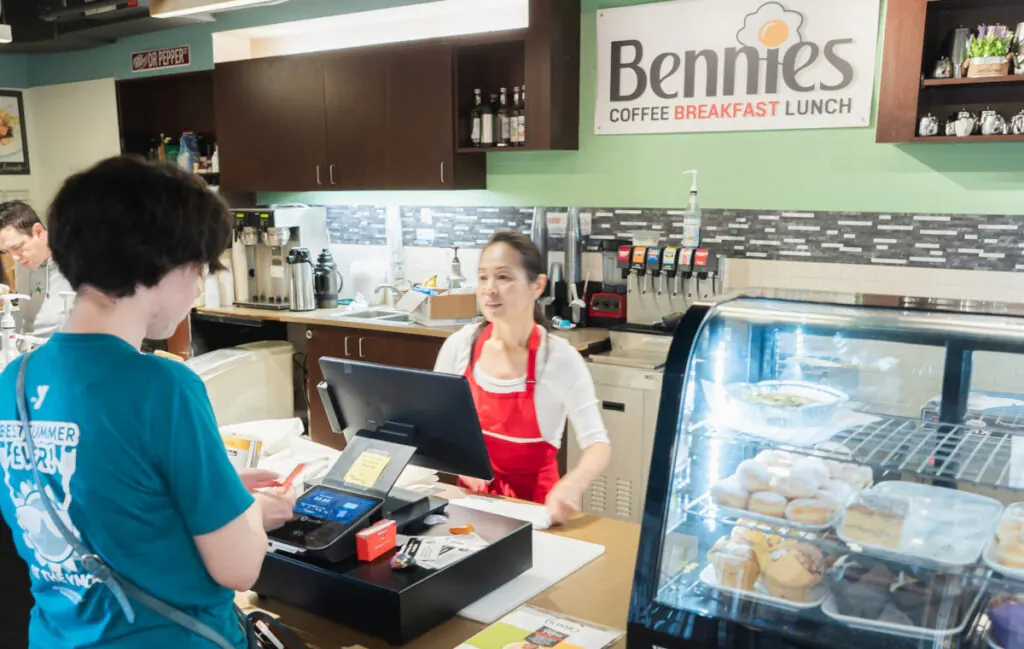
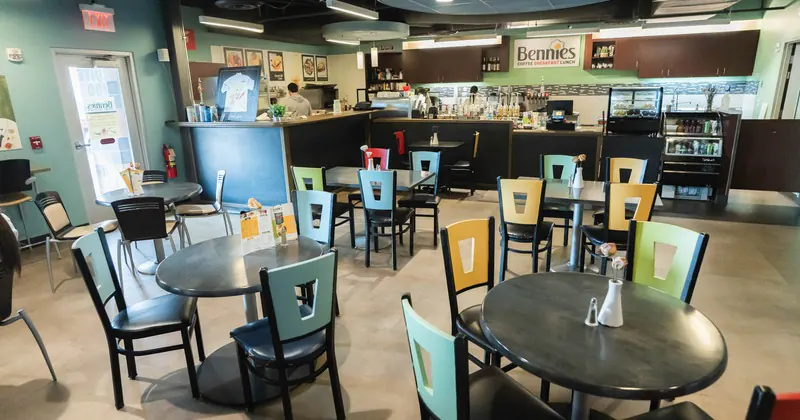
Monument sits in an interesting pocket of Colorado life. It has the small-town familiarity people crave, yet it also feels the pull of nearby growth from Colorado Springs and the Front Range. That mix changes how people gather. Some residents have lived in the area for decades. Others arrived recently for work, schools, military ties, or simply a change of pace. In places like this, community does not happen automatically. It needs regular meeting points, spaces where people can show up without an invitation and still feel like they belong.
That is where cafes matter.
A good cafe does more than serve coffee. It creates a reliable social rhythm. It gives neighbors a place to bump into one another on a Tuesday morning, provides remote workers with a landing spot after school drop-off, and offers teenagers and retirees a neutral setting that does not demand much from them except presence. In Monument, that role carries extra weight because the town’s identity is built as much on relationships as on geography. You can drive past open land, pines, and mountain views all day, but a community becomes real when people see each other often enough to remember names, stories, and routines.
Anyone looking at the role of a Cafe Monument, CO scene should start there. The coffee matters, the pastries matter, the atmosphere matters, but the deeper value is relational. Cafes become one of the few modern places where different parts of town can overlap without formality.
The third place still matters
Urban planners and sociologists often use the phrase “third place” to describe settings that are neither home nor work. The term can sound academic, but the reality is simple enough. People need somewhere to be that is low-pressure, public, and comfortable. Churches can fill part of that need. Parks can too, when weather cooperates. Libraries are invaluable, though they tend to ask for more quiet and less casual conversation. Cafes occupy a special middle ground.
They are active without being chaotic. Social without being demanding. Public without feeling anonymous, at least when they are run well.
In a town like Monument, the third-place function is especially important because daily life often happens in motion. People commute. Families shuttle between activities. New residents may know very few neighbors, even if they live in a friendly subdivision. When life is organized around the car, spontaneous connection can disappear unless there is a reason to stop somewhere and stay a while. A cafe gives people that reason.
You see it in ordinary moments. A parent meets another parent after school pickup and finally has time Cafe Monument, CO for a real conversation instead of a wave from a parking lot. A local contractor grabs coffee before heading to a jobsite and runs into a former client, which turns into a recommendation for future work. A nonprofit volunteer leaves flyers near the register and sparks interest from someone who otherwise would never have heard about an event. None of that feels monumental while it is happening. Over months and years, it becomes the social glue of a town.
Why Monument’s pace makes cafe culture valuable
Large cities can sustain community through sheer density. People cross paths because there are simply so many chances to do so. Monument works differently. The pace is steadier. The development pattern is more spread out. Residents often choose the area because it feels less rushed and more livable than larger urban centers. That slower pace is an asset, but it also means gathering spaces have to carry more of the burden of connection.
A cafe succeeds in that setting because it respects people’s time while still inviting them to linger. You can step in for six minutes or stay for two hours. Both uses are valid. That flexibility matters more than many business owners realize.
I have seen this dynamic in many towns similar to Monument. The strongest cafes are not always the trendiest or the most design-forward. Often, they are the ones that understand the patterns of local life. They open early enough for commuters. They have enough seating variety for the solo laptop user and the group of four catching up after a community meeting. They know that some customers want quick service and others are there because they need a place to land.
That practical understanding creates trust. And trust is what turns a commercial space into a community one.
Familiar faces change the tone of a room
One of the most underrated parts of cafe culture is repetition. People return to the same places for small reasons at first, convenience, decent espresso, a scone they like, the route between home and work. Then repetition starts doing its quiet work.
Baristas recognize orders. Customers recognize one another. The person who always comes in after a morning walk starts chatting with the retired teacher at the next table. The local business owner who comes in every Thursday becomes part of the furniture of the place in the best possible sense. Over time, these repeated interactions create what sociologists sometimes call “weak ties,” the looser relationships that sit between close friendship and complete stranger. Those weak ties are not weak in value. They are often what make a town feel safe, stable, and warm.
This is especially true in communities where people are at different life stages. A cafe can be one of the few settings where a high school student, a young couple with a stroller, a remote tech worker, and a longtime resident in retirement all share the same room without anyone needing to perform a specific role. They are simply patrons in a common space. That has a leveling effect. It softens social boundaries.
The best cafes understand this intuitively. They train staff to be efficient, yes, but also observant. They leave room for regulars to feel known without making newcomers feel excluded. It is a delicate balance. If a place leans too far into clique energy, outsiders sense it immediately. If it becomes too transactional, it loses the warmth that makes people return. Good operators walk that line every day.
More than coffee, a local economic network
When people talk about cafes and community, they often focus only on the social atmosphere. That misses half the story. Cafes also strengthen local economies in practical ways, especially in towns where small business identity matters.
A cafe can function as an informal chamber of commerce. Real estate agents meet clients there. Tutors hold sessions there. Designers, insurance brokers, coaches, and tradespeople use them for quick conversations that do not justify a formal office meeting. Someone overhears that a bakery needs part-time help. Someone else learns about a fundraiser for a youth sports team. A musician asks about playing a weekend set. These small exchanges matter because they circulate opportunity through relationships instead of algorithms.
In Monument, where local identity is important, that kind of circulation can help keep spending and loyalty anchored close to home. A resident who feels welcomed by a local cafe is more likely to notice the nearby bookstore, boutique, salon, or service business next door. Foot traffic and goodwill tend to travel together.
This does not mean every cafe has to become an event venue or networking hub. In fact, forcing that identity can backfire. People still want a place to read, think, or take a quiet break. The point is that a healthy cafe naturally creates conditions where community and commerce reinforce one another. It does so because people stay longer than they would in a typical retail space, and because the tone encourages conversation rather than immediate exit.
The role of design, sound, and simple comfort
People sometimes underestimate how physical details shape social behavior. But anyone who has spent time in public-facing businesses knows that layout can either invite connection or quietly block it.
A cafe that brings people together usually gets a handful of basics right. Seating is varied enough to support different uses. There may be smaller two-top tables for one-on-one conversation, a few larger communal options, and some perimeter seating for people who want a little privacy. Lighting is warm but functional. Music exists, though not at a level that competes with speech. The line for ordering moves clearly enough that newcomers do not feel awkward. None of this sounds glamorous. All of it influences whether people stay.
I have watched beautifully designed cafes fail because they optimized for aesthetics over comfort. Hard chairs, echo-heavy rooms, poor outlet placement, and no clear distinction between quick-stop traffic and sit-down guests can erode community faster than owners expect. On the other hand, a visually simple room with forgiving acoustics, decent sightlines, and friendly service can become a beloved gathering place in a matter of months.
In Monument, where weather can shift and seasonal patterns affect how people move through town, comfort becomes even more important. A cozy indoor seat on a cold morning has one kind of social value. Outdoor seating on a bright day has another. A cafe that adapts well to both conditions broadens the number of people who can use it regularly.
Cafes as low-stakes social entry points
Not everyone is looking for instant friendship. In fact, many people are not. They are looking for a way back into public life that feels manageable.
This matters more than ever for people who work remotely, older adults who live alone, parents adjusting to new routines, or newcomers still figuring out where they fit. A cafe offers something rare: social possibility without social obligation. You can be around others without needing to explain yourself. You can talk if a conversation opens naturally. You can also sit quietly and still feel less isolated than you would at home.
That low-stakes quality is powerful. It is part of why cafes often become soft landing places during periods of personal change. After a move, after retirement, after a new baby, after a breakup, after a job transition, people often need somewhere that gives shape to the day. Even a simple ritual, ordering the same drink, sitting near the same window, seeing the same staff, can restore a sense of continuity.
For a town like Monument, that makes cafes more than conveniences. They become tools for belonging.
Events help, but the everyday matters more
It is easy to assume that community-building comes mainly from organized programming: open mic nights, book clubs, art displays, seasonal markets, charity drives. Those can all be worthwhile. They can also draw in people who might not otherwise visit. But from a long-term community standpoint, the everyday function of a cafe usually matters more than its event calendar.
Special events create peaks. Daily hospitality creates roots.
A neighborhood does not become connected because something exciting happens once a month. It becomes connected because dozens of small interactions happen every day. The person at the register asks how a customer’s daughter liked college. Two residents discover they both serve on local committees. A pastor and a business owner cross paths and coordinate support for a family in need. A student feels comfortable enough to stop in after class and do homework around adults who know their face. That is the fabric of local life, and it is built in ordinary hours.
Events can still play an important role when they align with the character of the space. A thoughtfully managed acoustic performance can make a cafe feel alive. A local artist wall can spark conversation. A fundraiser for a school or shelter can reinforce civic ties. The key is fit. If events overwhelm the regular rhythm, the core audience drifts. If they deepen what people already appreciate about the place, they can strengthen loyalty.
What residents often want from a Cafe Monument, CO experience
People in smaller towns and growing communities tend to value authenticity quickly and spot pretense even faster. A Cafe Monument, CO business does not need to mimic a big-city brand identity to become meaningful. In many cases, the opposite is true. Residents usually respond to places that feel grounded in local habits and realistic about what customers need.
That often includes straightforward service, dependable quality, and a room that does not rush people out the door the moment they finish their drink. It may mean carrying a menu broad enough for different age groups without trying to be everything to everyone. It may mean posting community notices, sponsoring a local team, or remembering that some guests are there for quiet as much as conversation.
There is also a practical side. Parking matters. Accessibility matters. Wi-Fi reliability matters. Restrooms matter. A cafe can have charm, but if people cannot comfortably use it as part of real life, it will struggle to become a true gathering place.
These may sound like mundane details. They are not. Community is built through repeated use, and repeated use depends on whether a place works.
The trade-offs that come with being a community hub
There is a temptation to romanticize cafes, especially when talking about local belonging. But operators know there are trade-offs.
The more a cafe succeeds as a gathering space, the more tensions emerge. Some guests want lively conversation. Others want quiet focus. Remote workers may camp at tables for hours, which can strain seating during busy periods. Parents with young children may need flexibility, while solo readers may prefer a calmer room. During peak rushes, staff have to preserve hospitality without letting the space become chaotic. None of these are signs of failure. They are signs that the cafe is serving real people with competing needs.
Strong management handles these tensions through clear but gracious boundaries. That might mean subtle zoning within the room, time awareness during the busiest windows, or menus and service models that support both fast turnover and comfortable lingering. It also means reading the customer base honestly. Not every cafe needs to be all things to all patrons. Some are better as quick neighborhood anchors. Others are better as longer-stay social spaces. Trouble begins when a business tries to project one identity while operating like another.
For residents, understanding those trade-offs can deepen appreciation for the places that get it mostly right. A healthy community space rarely feels perfect to every person at every hour. It feels usable, welcoming, and dependable enough that people keep returning.
Seasonal life and the rhythm of return
One reason cafes can become especially important in Colorado communities is the role of seasonality. In warmer months, people have more options for casual gathering outdoors. Farmers markets, trails, patios, and community events all compete for attention. In colder or windier stretches, indoor public life can narrow fast. A cafe then becomes one of the few reliable spaces where everyday connection can continue.
That seasonal rhythm helps explain why loyalty built in autumn and winter often carries through the rest of the year. People remember where they felt comfortable when the days were shorter and the weather less forgiving. Those places become habits, then traditions.
For families in Monument, that may look like a weekend stop after sports practice. For older residents, it may mean a recurring morning meet-up. For workers, it may mean a midweek reset between errands and obligations. The details vary, but the pattern is familiar: when a place accommodates people across seasons, they begin to weave it into the shape of their lives.
What makes a cafe feel like part of town, not just a business
At a certain point, a cafe stops feeling like a place that sells drinks and starts feeling like part of local infrastructure. Not formal infrastructure like roads or utilities, of course, but social infrastructure, the places that support trust, recognition, and civic life.
That shift happens when the business reflects the town rather than merely occupying it. You can feel it in how staff greet regulars without ignoring first-timers. You can feel it in whether local concerns are visible, school events, fundraisers, art, volunteer efforts, neighborhood chatter. You can feel it in whether people use the space for real life or only for occasional transactions.
A place embedded in community does not need to declare itself a “hub.” Others will do that for it through their behavior. They will choose it as a meeting point. They will recommend it to newcomers. They will bring out-of-town guests there because it represents something true about where they live.
That is the real test.
A town is stitched together in ordinary places
Most communities are not shaped only by major institutions or headline events. They are stitched together in ordinary places where people return often enough to recognize each other. In Monument, cafes can play that role with unusual strength because they fit the town’s scale, pace, and social needs so well.
They offer more than caffeine. They provide a setting where familiarity can grow without pressure, where local commerce can mingle with local conversation, and where newcomers can become regulars one cup at a time. They make room for the quiet rituals that hold a town together, the quick catch-up, the repeated hello, the unplanned introduction, the shared table on a cold morning.
When a cafe gets that right, it becomes more than a stop in the day. It becomes one of the places where Monument recognizes itself.
Bennies Cafe
17230 Jackson Creek Pkwy Ste 100, Monument, CO 80132
+1 719-445-0660
FAQ About Cafe Monument, CO
What is considered a café?
A café is generally an informal place to enjoy refreshments and a meal. Bennies Cafe in Monument serves breakfast and lunch in a counter-service setting, with options including eggs Benedict, sandwiches and crepes. Guests can eat in or arrange pickup.
What is the difference between a coffee shop and a café?
The terms often overlap. A coffee shop usually emphasizes coffee and other drinks, while a café may offer a broader food menu. Check the individual establishment's menu rather than relying on its name. Bennies Cafe offers coffee drinks alongside breakfast and lunch dishes.
What is the difference between café and coffee?
In everyday English, a café is a place where people buy food and drinks, while coffee is the beverage. The word café comes from the French word for coffee. Bennies Cafe serves options such as brewed coffee, espresso and lattes as part of its drinks menu.