Best Cafe Promotion Ideas for Local Businesses
A good cafe rarely has a traffic problem, it has a visibility problem. The coffee may be excellent, the pastries fresh, the staff warm and fast, yet seats still sit empty between rushes because the neighborhood has not built a habit around the place. Promotion, for local cafes, is not about shouting louder than national chains. It is about becoming familiar, useful, and memorable enough that people think of you at 8:15 a.m., at 2:30 p.m., and when a friend asks where to meet nearby.
That distinction matters. Local hospitality businesses win when they feel woven into daily life. The most effective cafe promotion ideas are rarely the flashiest. They are usually the ones that reduce friction, create routine, and give customers a small but compelling reason to return sooner than they otherwise would.
Over the years, the cafes that grow steadily tend to understand three practical truths. First, most customers live or work within a short radius, often five to fifteen minutes away. Second, repeat visits matter far more than one-time spikes. Third, every promotion affects operations, margins, and brand perception, so a clever idea is only useful if the team can deliver it consistently on a busy Tuesday, not just on a quiet Saturday.
Start with the kind of growth you actually want
Before choosing a single promotion, get specific about the gap you are trying to close. Some cafes need stronger morning throughput. Others need to fill the dead zone between lunch and late afternoon. Some need to increase average ticket size because labor and rent have tightened margins. Others are healthy during the week but weak on weekends.
A discount can fix the wrong problem if it is applied too broadly. I have seen cafes cut prices to attract more customers when the real issue was slow service at the counter, poor exterior signage, or Cafe a menu board that made ordering feel like a quiz. More traffic did not help because the experience at the point of sale was still clumsy. The result was a busier room with thinner margins.
A stronger approach is to match the promotion to a precise business goal. If weekday afternoons are quiet, target those hours with a limited-time offer that nudges trial. If your pastry attachment rate is low, build a pairing offer that makes the decision easy. If office workers pass by without stopping, create a standing pre-order offer for teams. A promotion should direct behavior, not simply make things cheaper.
Build promotions around habits, not just deals
People do not become regulars because of a single coupon. They become regulars because a cafe fits their routine and gives them small moments of reliability. That is why the best promotions often reward repetition rather than one-off purchases.
A simple loyalty program still works, especially when it is easy to understand and frictionless at checkout. Stamp cards can be effective for an independent cafe because they are cheap and visible, though digital systems offer better tracking. The point is not the technology. The point is the behavioral loop. A guest who has already earned four visits toward a reward is noticeably more likely to choose your shop for the fifth.
The offer itself should be generous enough to matter, but not so rich that it trains customers to wait for free product. A common sweet spot is a free drink after a set number of purchases, or a targeted reward tied to slower categories like baked goods in the afternoon. If your espresso drinks are your margin engine, giving away premium items too quickly may backfire. If your food case has more waste than you would like after 3 p.m., a pastry-focused reward can support both sales and inventory control.
There is also value in habit-based timing. One cafe I know ran a “same time tomorrow” receipt offer, giving guests a modest discount if they returned within 24 hours during the same daypart. It was not dramatic, just enough to nudge routine. Their morning regular count rose because the promotion aligned with existing commuter behavior rather than trying to invent a new one.
Make the sidewalk do more work
Many owners underestimate how many buying decisions happen before a customer ever touches the door. Exterior visibility is one of the highest-return promotional tools a local cafe has, especially in districts with foot traffic. Clear A-frame signs, window messaging, and seasonal visual cues can outperform a paid digital ad simply because they reach people at the exact moment they can act.
This is especially true for independent cafes tucked into mixed-use neighborhoods. People need to know three things quickly: what you are, what you are known for, and whether entering will be easy. “Specialty coffee and fresh pastries” communicates more than a stylized logo alone. “Fast takeaway for commuters” tells office workers they will not lose ten minutes in line. “Quiet seating and free Wi-Fi” attracts students and remote workers during slower periods.
The strongest sidewalk messaging is concrete. “House-made cardamom buns until sold out” is stronger than “delicious pastries.” “Cold brew and breakfast sandwich combo before 10 a.m.” is stronger than “great deals inside.” A passerby needs a reason to turn their head and then a reason to step in.
Local partnerships can outperform paid ads
For many local businesses, a nearby partner is more valuable than a broad audience. A cafe that collaborates with the yoga studio around the corner, the independent bookstore down the block, or the co-working space upstairs reaches people who are already geographically and culturally aligned.
The best partnerships feel useful, not forced. A bookstore and cafe can run a monthly reading night with a featured drink. A florist and cafe can create a Mother’s Day pickup bundle. A fitness studio can offer a member perk for post-class coffee. These are not revolutionary ideas, but they work because they borrow trust. One business introduces the other in a setting where the customer is already receptive.
There are trade-offs. Partnerships take coordination, and not every collaboration deserves equal effort. If the partner’s audience is broad but disengaged, the promotion may produce a burst of likes online and very few paying customers. Choose businesses with overlapping foot traffic, similar service standards, and an owner or manager who responds quickly. Reliability matters more than creative flair.
Use your menu as a promotional tool
Some of the best cafe promotion ideas do not look like promotions at all. They look like thoughtful menu design. Bundles, seasonal features, and staff-guided pairings can quietly increase both trial and average order value without signaling discount dependence.
Combo offers work especially well when they simplify a choice the customer already wants to make. A guest on the way to work often wants breakfast and coffee, but may hesitate if the menu feels fragmented or expensive when each item is considered separately. A clean, sensible pairing can remove that friction. The same applies in the afternoon. A coffee and pastry set between 2 p.m. And 4 p.m. Can lift a slow period without cheapening the full menu all day.
Seasonal drinks also function as promotions because they create a reason to visit now instead of later. Limited-time items perform best when they feel distinctive to your brand. Too many cafes launch generic seasonal flavors without thinking about identity. A neighborhood cafe known for quality baking might do better with a brown butter apple loaf and a spiced filter coffee than with a syrup-heavy novelty drink copied from a chain.
Staff recommendation plays a larger role than many owners realize. A well-trained barista who says, “That roast pairs really well with the almond cake today,” can drive add-ons in a way no poster can. The suggestion feels personal, timely, and trustworthy. Promotion is not only a marketing function. It is also service design.
Social media should support foot traffic, not distract from it
A local cafe does not need to entertain the whole internet. It needs to stay visible to people nearby and give them recurring reasons to visit. That is a much more manageable job.
The cafes that get the most from social media usually do a few things consistently. They show the space as it really is, they post products that are available that day, and they make information easy to find. Hours, location, specials, and atmosphere matter more than polished but vague content. A slightly imperfect video of trays coming out of the oven can outperform a heavily produced montage if it feels immediate and local.
Stories and short-form video are useful when they answer practical questions. Is there outdoor seating? Is the new drink back this week? Are you open early on holidays? Can someone pre-order a box of pastries for the office? People often follow a cafe not because they want endless content, but because they want timely cues that fit their routine.
Paid local ads can help when used carefully, especially around openings, new menu launches, or event series. The mistake is boosting broad lifestyle content to a wide audience. Target a small radius, use a clear offer, and send people to a simple action, such as visiting before 11 a.m. For a featured combo or reserving a spot for a tasting. Narrow relevance usually beats scale for a neighborhood cafe.
Events work best when they match your space
Events can be excellent promotion, but they are not universally good. A quiet 20-seat cafe should not copy the programming of a large, bustling all-day venue. The room, acoustics, staffing level, and neighborhood all shape what will actually work.
Small, repeatable events tend to outperform grand one-offs. A weekly coffee tasting, a local artist wall opening, a language exchange evening, or a “work late” study session can create community without overloading the team. The key is consistency. A monthly event that keeps happening builds more trust than a single packed night that never returns.
One compact list is useful here, because fit matters more than novelty. The strongest event formats for many local cafes are:
- Early evening tastings featuring a new roast or brewing method
- Quiet community nights with a bookstore, artist, or local maker
- Remote work specials during slow weekday hours
- Seasonal launch weekends tied to a featured menu item
- Office catering sample days for nearby businesses
Each of these can be modest in scale and still drive meaningful revenue if executed well. A tasting night, for instance, might only bring in twenty people, but if six become regular bean buyers and three place future group orders, the return can be much stronger than it appears on the surface.
Email is underrated for neighborhood businesses
Email lacks the novelty of newer channels, but it remains one of the most reliable ways to drive repeat visits. That is partly because it reaches people who already raised their hand. They visited, ordered online, joined the Wi-Fi list, or signed up at the register. They know the cafe exists. Your job is to stay present without becoming noise.
The best cafe emails are short, visual, and specific. A new seasonal drink, a holiday preorder reminder, a weekend brunch extension, or a note about live music can all work. What usually fails is the generic newsletter packed with too many updates and no clear action.
Frequency should match reality. If your menu changes often and you run regular programming, weekly can be fine. If not, twice a month is plenty. Quality and relevance matter more than volume. Most local businesses do not need a sophisticated automation setup to benefit. They need a clean list, honest offers, and consistent follow-through.
Promotions should make operations easier, not harder
This is where many smart ideas fall apart. A promotion that looks strong on paper can create chaos on the floor if it adds decision friction at the register, strains the kitchen, or confuses staff. Every offer should be tested against the busiest likely moment.
Ask practical questions. Can the team explain the offer in one sentence? Does the POS make it easy to ring up? Will it slow the queue? If the promotion succeeds, can stock levels support demand for at least the first rush? Can a first-time customer understand it from a sign without asking three questions?
The cleanest promotions usually share a few characteristics:
- They solve one problem at a time
- They are easy to explain at a glance
- They fit existing prep and labor patterns
- They protect margin on core items
- They can be measured within a few weeks
Operational simplicity is promotional strength. Customers feel it even if they never name it directly. The offer seems better when redemption is seamless.
Community presence still matters
Not every promotion has to live on a screen or in a coupon. Some of the strongest local awareness comes from repeated physical presence. Supplying coffee for a school fundraiser, supporting a neighborhood cleanup, setting up a stall at a weekend market, or donating gift cards to a community raffle can all reinforce that your cafe is part of the area rather than merely located in it.
This does not mean saying yes to every request. Community marketing can turn into a drain if there is no selectivity. Choose causes and events that reflect your customer base and values. A family-heavy neighborhood may respond well to school partnerships. A business district might reward office-building tastings or commuter-focused sampling. Relevance matters here just as much as goodwill.
There is also a less obvious advantage. Community involvement gives people stories to tell about your business. A customer who sees your coffee cart at a charity run is more likely to mention your cafe Cafe to a friend than if they simply passed another generic sponsored post. Word of mouth is still the highest-trust channel most local businesses have.
Measure what people actually do
It is tempting to judge promotions by surface signals. A post gets shared. An event feels busy. A collaboration looks attractive in photos. Those things are not meaningless, but they are not enough. What matters is whether the promotion changes customer behavior in a profitable direction.
Track basics with discipline. Look at redemption rate, average ticket, daypart performance, repeat visits, and whether new customers return without another incentive. If you run a 2 p.m. Pastry pairing, compare those hours to a normal period and note whether the uplift came from genuinely new sales or from regulars shifting their timing. If you introduce a loyalty program, watch whether visit frequency rises after the first few punches.
Do not overcomplicate the analysis. Most small cafes do not need a giant dashboard. They need a habit of reviewing a few numbers every week and making small adjustments. One of the healthiest operating patterns is to run a promotion for two to four weeks, review results, keep the parts that worked, and retire the rest quickly.
What often works best in practice
Owners sometimes ask for the single best cafe promotion idea, but there usually is not one. There is, however, a pattern. The cafes that grow steadily tend to combine a few modest, well-run tactics rather than betting on one dramatic campaign.
A strong mix often looks like this in practice: a simple loyalty program for repeat behavior, one thoughtful bundle for a weak daypart, visible street signage, a reliable email rhythm, and one or two local partnerships that make geographic sense. None of that sounds glamorous. It does sound sustainable, and sustainable tends to win.
If the coffee is good, the room welcoming, and the service dependable, promotion does not need to feel manipulative. It should simply reduce the distance between interest and action. It should remind people that your cafe is nearby, worth trusting, and easy to choose again.
That is the real aim for local businesses. Not just a packed day, but a stronger habit. Not just attention, but return visits. When promotion helps a neighborhood discover a place they can rely on, it stops feeling like marketing and starts feeling like momentum.
Bennies Cafe
17230 Jackson Creek Pkwy Ste 100, Monument, CO 80132
+1 719-445-0660
FAQ About Cafe
What is considered a café?
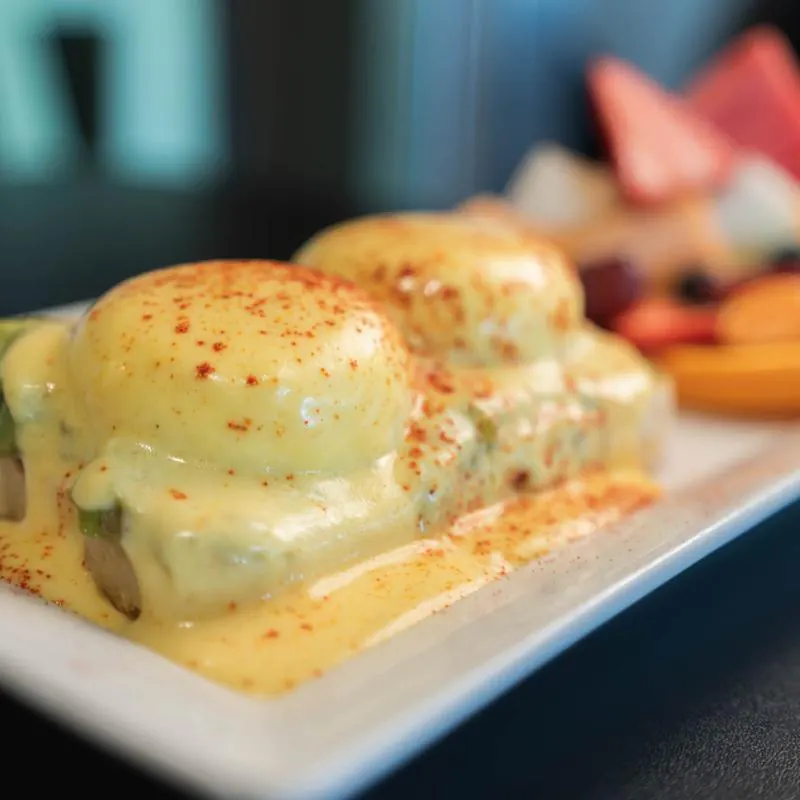
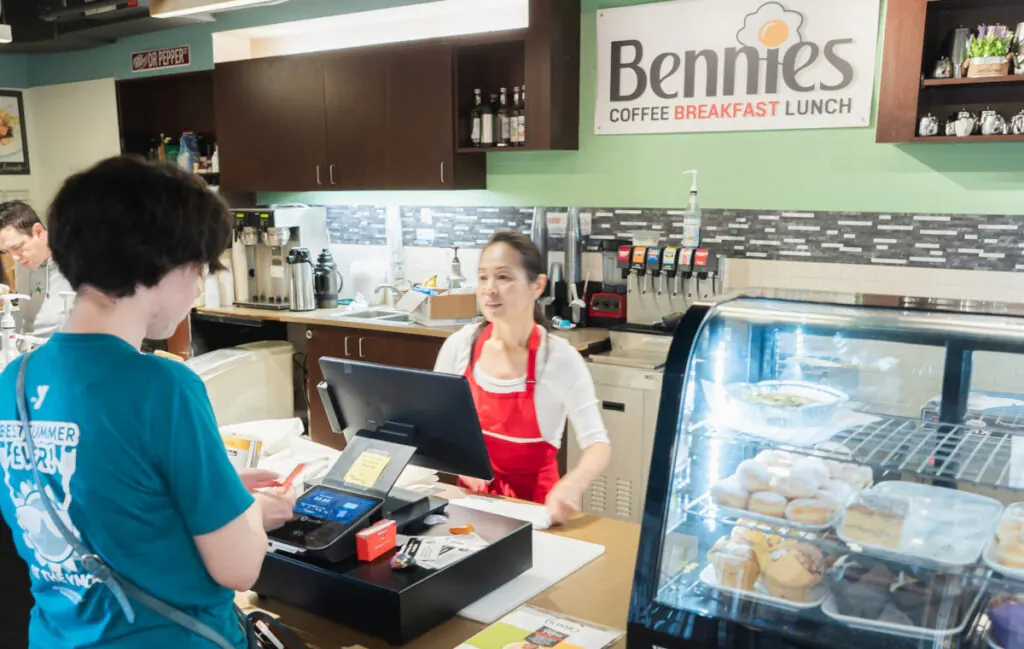
A café is generally an informal place to enjoy refreshments and a meal. Bennies Cafe in Monument serves breakfast and lunch in a counter-service setting, with options including eggs Benedict, sandwiches and crepes. Guests can eat in or arrange pickup.
What is the difference between a coffee shop and a café?
The terms often overlap. A coffee shop usually emphasizes coffee and other drinks, while a café may offer a broader food menu. Check the individual establishment's menu rather than relying on its name. Bennies Cafe offers coffee drinks alongside breakfast and lunch dishes.
What is the difference between café and coffee?
In everyday English, a café is a place where people buy food and drinks, while coffee is the beverage. The word café comes from the French word for coffee. Bennies Cafe serves options such as brewed coffee, espresso and lattes as part of its drinks menu.